Social | ALK

Own workforce

Employee engagement

ALK is focused on fostering the wellbeing, professional growth and inclusivity of its employees. This helps ALK to attract and retain the key competences needed for its operations worldwide. By prioritising the development and engagement of employees, ALK ensures that staff are empowered, motivated and equipped to contribute to the organisation’s mission to improve the lives of people with allergy all over the world.

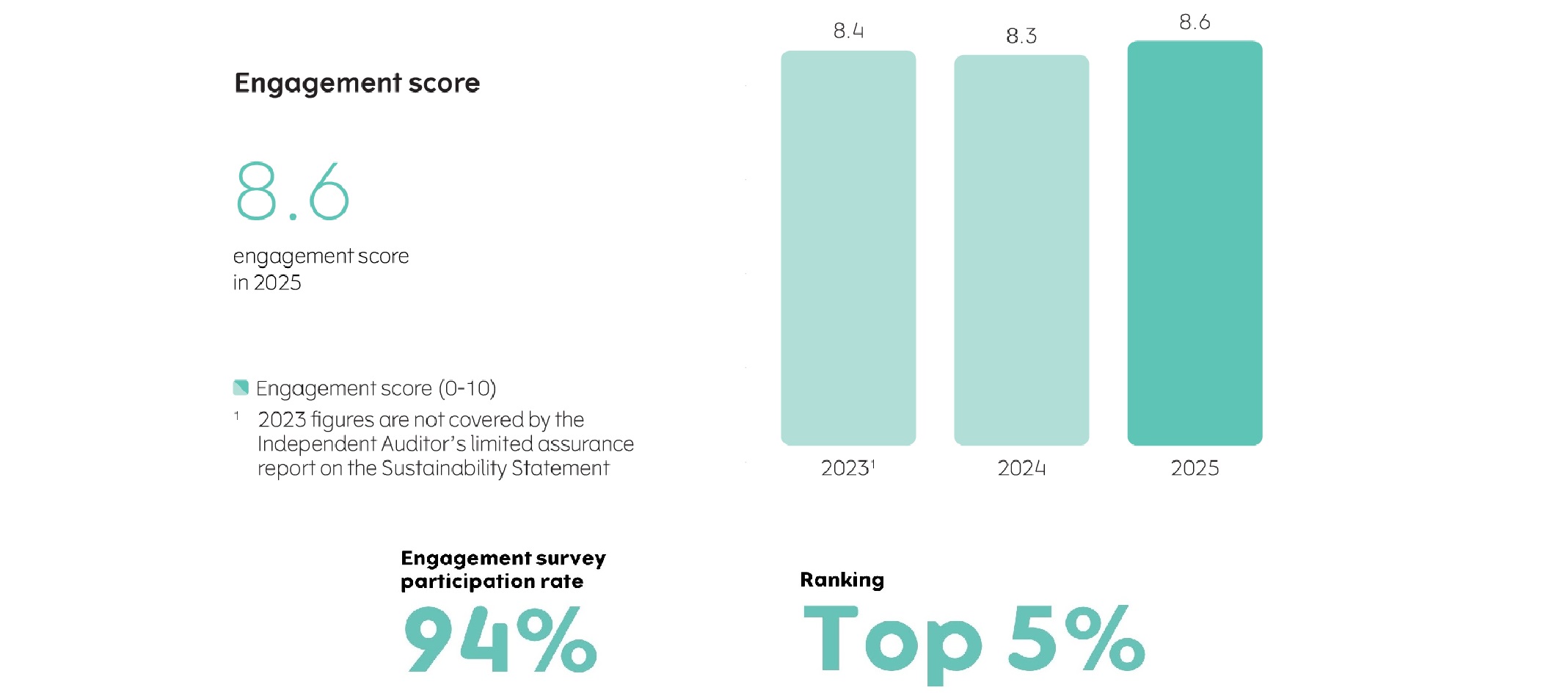
Our commitment to fostering a culture of open communication and collaboration is exemplified through our annual global engagement survey results. This year's participation rate remained high at 94% (2024: 95%). The overall engagement score increased to 8.6 (2024: 8.3), positioning ALK in the top 5% against the international healthcare benchmark for the second year in a row.
Competence development

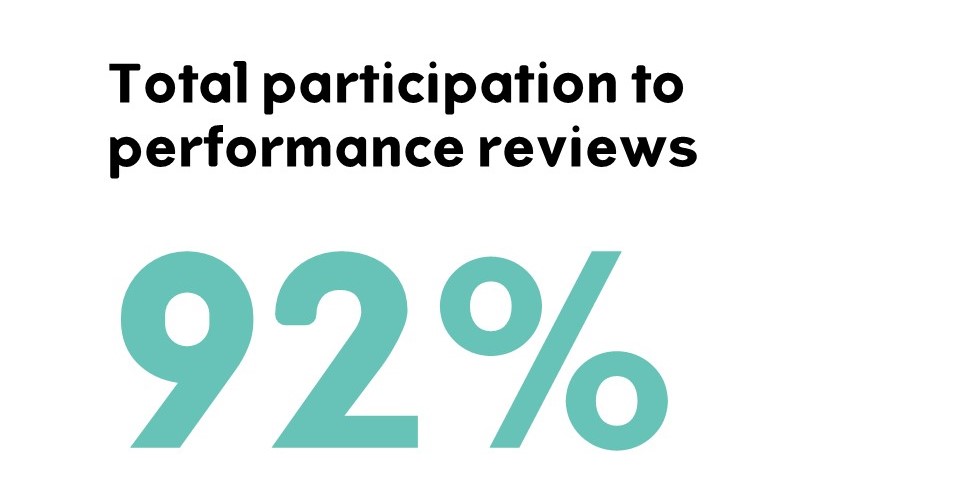
Recognising the pivotal role of development in enhancing employee retention and performance, ALK seeks to foster a culture of continuous learning and growth for its workforce. Development agreements are integrated as a fundamental component of our annual people processes for all employees to gain a clear direction for their learning and growth opportunities as part of the Global People Performance Process.

Inclusive culture

At ALK, fostering an inclusive culture is essential for effectively addressing the diverse needs of patients and partners.

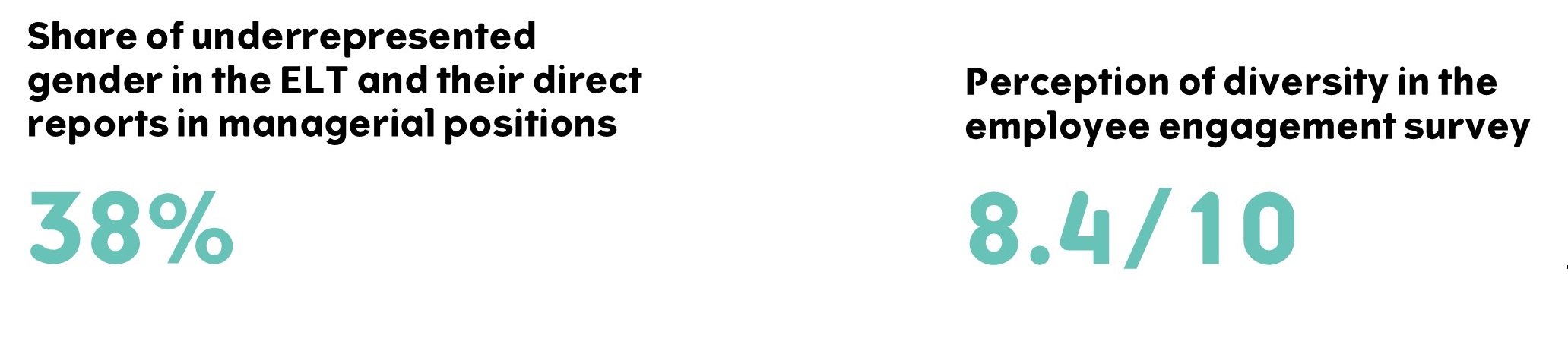
ALK has set a target to have at least 40% of the underrepresented gender in the ELT and their direct reports in managerial positions, by 2028.

We track employees’ perceptions of D&I and their sense of psychological safety via the annual employee engagement survey. In 2025, the overall perception of diversity in ALK rose to 8.4 (2024: 8.2) and stands 0.3 points above the industry benchmark.

Health and safety

Health and safety management is an essential part of ALK’s operations, especially in production and farming activities where employees may face workplace risks. We record and monitor workplace injuries across all sites, and all employees are encouraged to report unsafe conditions.

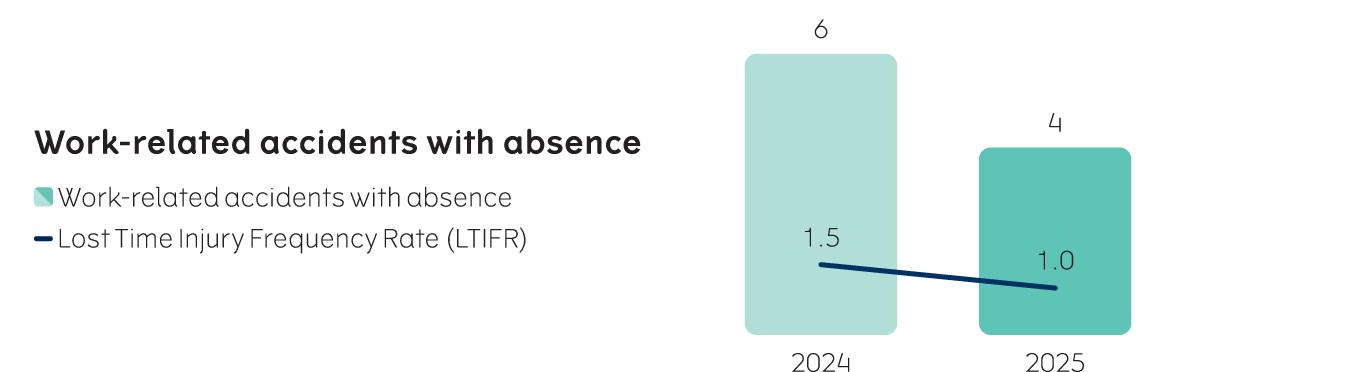
In 2025, work-related accident rate remained low and decreased to 4 accidents with absence across all sites.

Regular safety dialogues with workers councils or employees
This collaborative approach ensures that the perspectives of our employees are considered in the development and improvement of safety policies and procedures.
Monthly safety inspections across all production facilities
Identifies and addresses potential hazards, and encourages employees to report near misses, allowing us to implement corrective measure and improve safety protocols where needed.
Digitalisation of near miss frequency reporting
Near misses are invaluable opportunities to identify potential hazards and prevent accidents before they occur.

Value chain workers

ALK’s Third-Party Code of Conduct outlines the standards of behaviour that we expect from all third parties globally when it comes to business conduct and treatment of employees. The Third-party Code of Conduct is an integral part of ALK's GxP (good practice) supplier agreements. Any breaches of the standards in the ALK Third-Party Code of Conduct can be reported through Alertline whistleblower platform.

Through an external evaluation platform, ALK assesses environmental, labour, and human rights risks. During 2025, ALK assessed over 1,400 of its suppliers, covering 97% of the procurement spend. None were identified as very high risk from an ESG perspective.

Consumers and end users

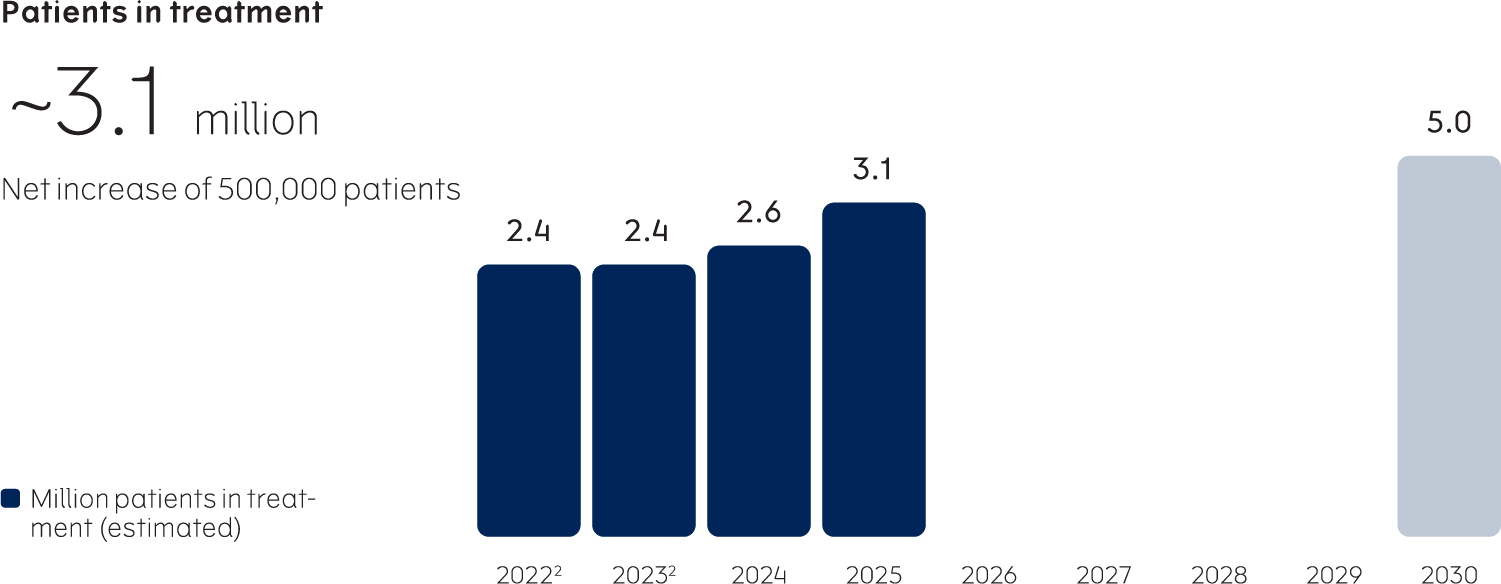
2 2022 and 2023 figures are not covered by the Independent Auditor’s limited assurance report on the Sustainability Statement

ALK aims to help 5 million people with allergy annually by 2030 to advance its positive impact.

In 2025, an estimated 3.1 million people, an increase of 500,000, were treated with ALK’s products.

Product safety and quality

We continuously monitor the safety and quality of our products through a robust, global pharmacovigilance system designed to identify, assess, and address side-effects and safety concerns, covering both clinical trials and marketed products. This ensures that the safety profile of our products is optimized for the benefit of users, and that the relevant authorities can be made aware of any safety issue arising from our products to facilitate immediate action.

Reducing barriers to access

To reduce barriers to access, we engage systematically in educational activities with healthcare professionals through training sessions, targeted newsletters, large multi‑market webinars. We continuously enhance our healthcare professional portals offering practical tools and educational resources.

Policy downloads

Code of conduct
Diversity and Inclusion Policy
UK Modern Slavery Act statement 2025
Access to Medicine
Third Party Code of Conduct

Partnering for sustainability

The challenges of social action require commitments and partnerships.

Last updated: 20.02.2026